GroundWork’s five Living Labs turn the project’s vision into action. They are collaborative hubs where regenerative livestock practices move from concept to implementation, allowing innovation to be tested, monitored, and scaled in real farming landscapes.
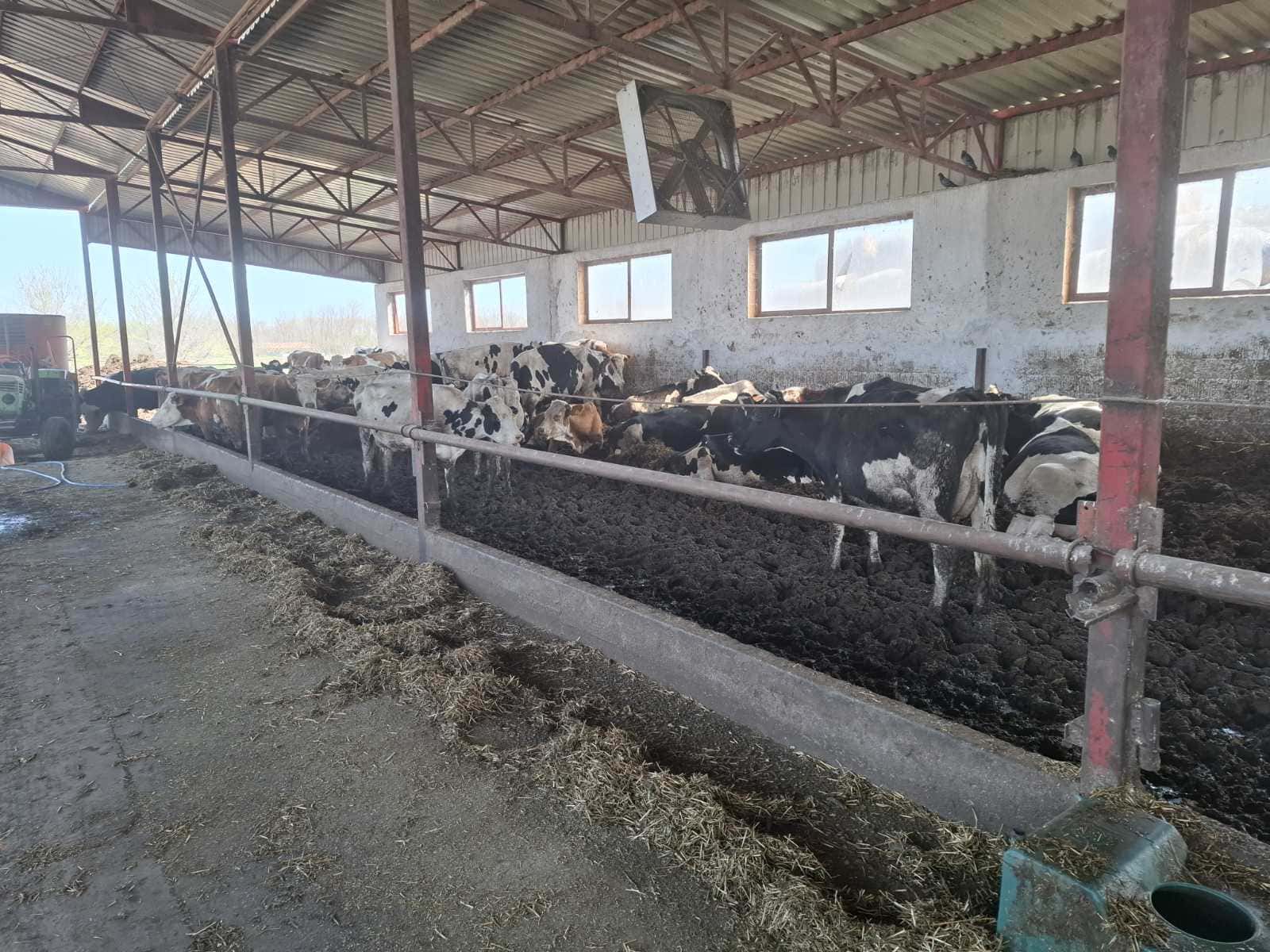
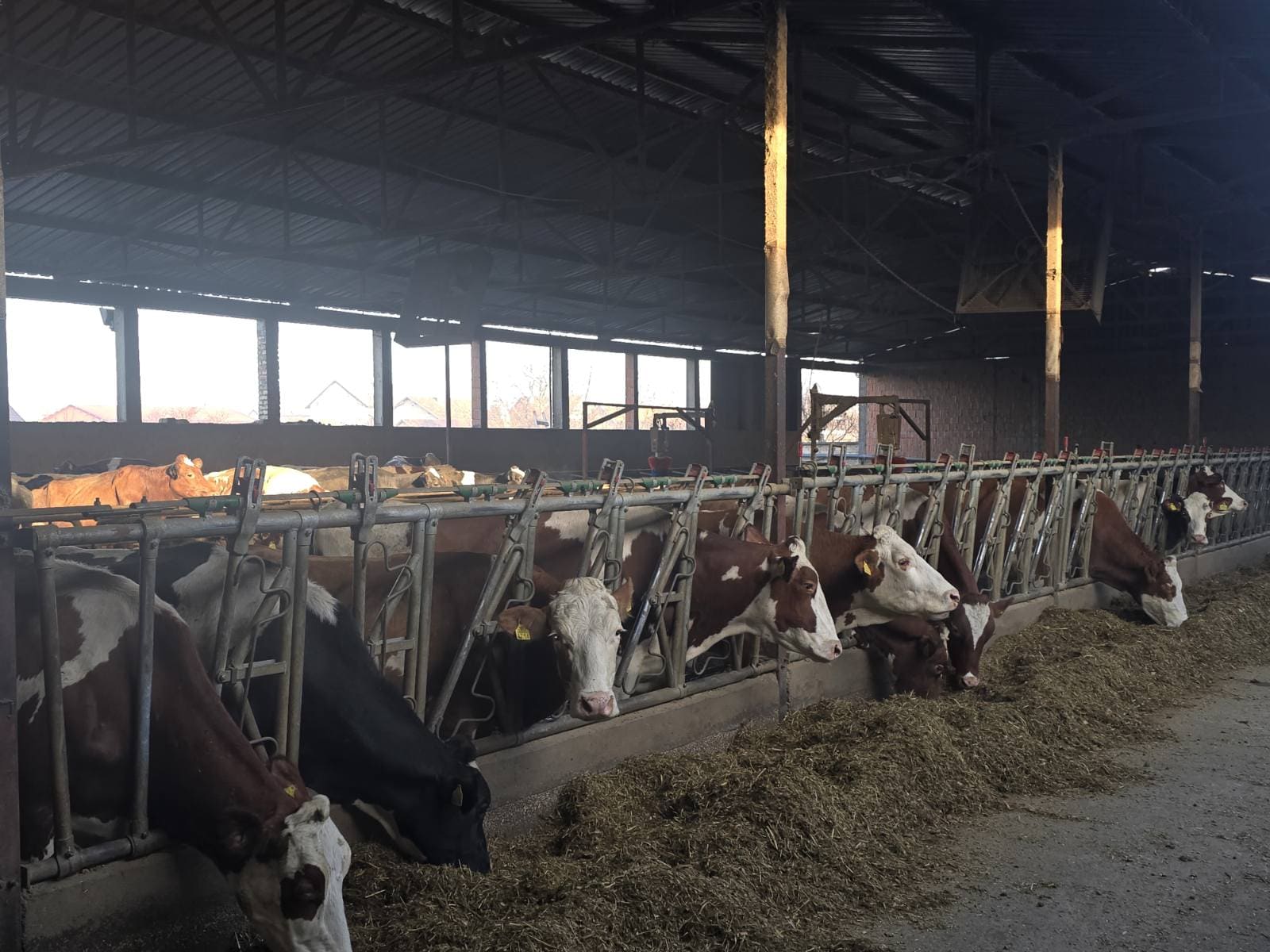
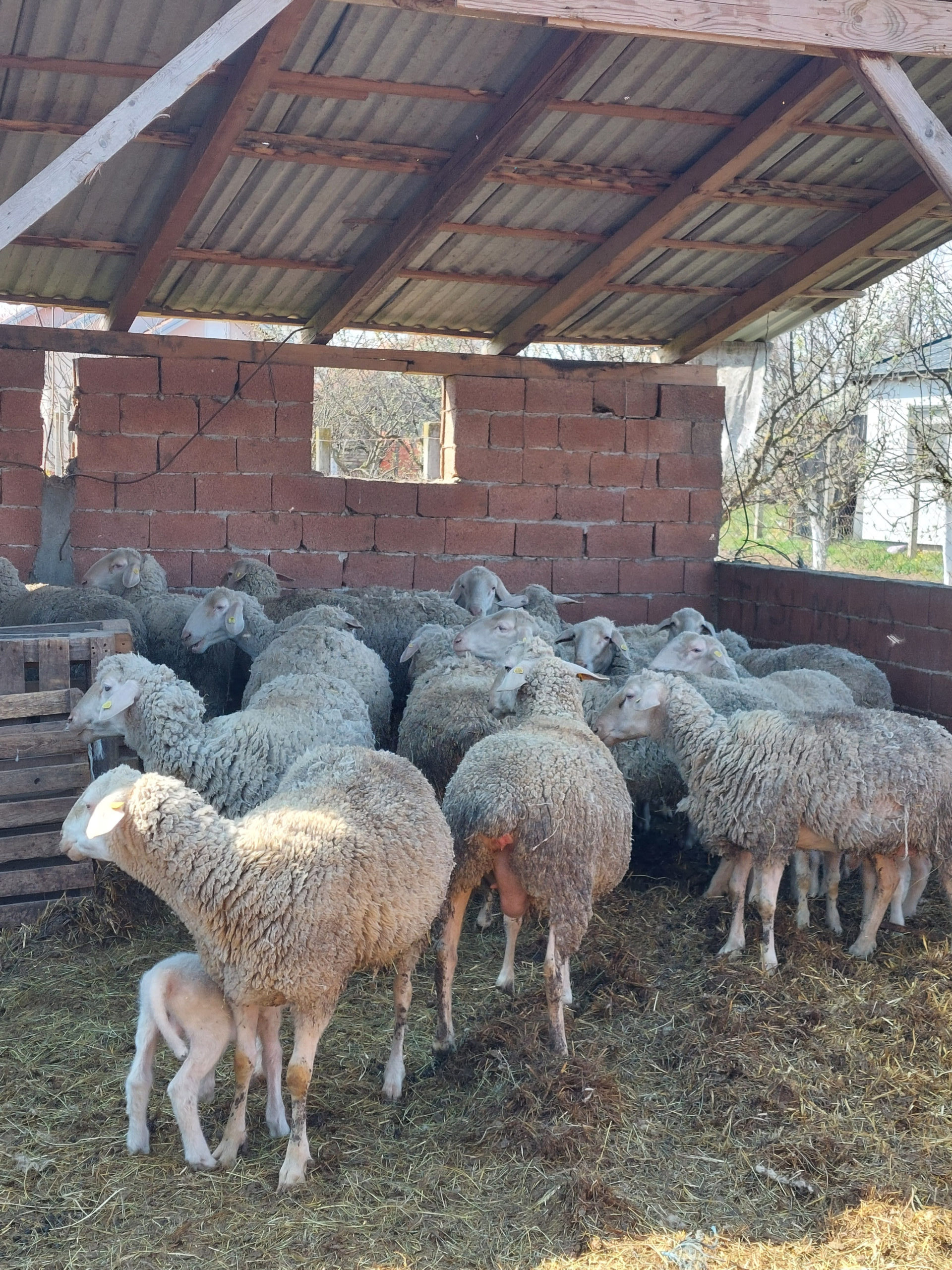
The Living Lab is located inGospodjinci, in the Vojvodina region of Serbia, an area where farms combine cattle and vegetable production. Manure generated by the livestock is applied on-site to vegetable crops, yet waste management remains a significant challenge. Poor handling of manure and other animal waste contributes to water quality issues and limits the potential for sustainable soil management.
Challenge
Small-scale farms in the region face multiple pressures. Economic constraints and high operational costs make it difficult to invest in improved waste management systems. Rural depopulation and the prevalence of family-run farms create structural challenges, while the transition toward EU standards adds regulatory pressure. Inadequate manure handling harms both soil fertility and water quality, highlighting the need for practical, sustainable solutions.
Challenge
Small-scale farms in the region face multiple pressures. Economic constraints and high operational costs make it difficult to invest in improved waste management systems. Rural depopulation and the prevalence of family-run farms create structural challenges, while the transition toward EU standards adds regulatory pressure. Inadequate manure handling harms both soil fertility and water quality, highlighting the need for practical, sustainable solutions.
Focus
The Serbian Living Lab focuses on innovative manure management and regenerative grazing practices. Faecal-sludge treatment plants are piloted to transform livestock waste into valuable resources such as compost and pelleted fertiliser, supporting circular-economy approaches and enhancing soil health. Alongside these technical solutions, the Living Lab encourages farmers to adopt regenerative grazing practices and promotes community engagement in soil literacy, demonstrating the benefits of sustainable and resource-efficient farming.
Actors
The Living Lab is coordinated by Biosense Institute, which also provides scientific expertise.
ZZG Gospodjinci, a farmers’ association, participates as a local partner.
The Provincial Secretariat for Agriculture, Water Management & Forestry contributes as a third-party authority, supporting implementation and regulatory alignment.