GroundWork’s five Living Labs turn the project’s vision into action. They are collaborative hubs where regenerative livestock practices move from concept to implementation, allowing innovation to be tested, monitored, and scaled in real farming landscapes.
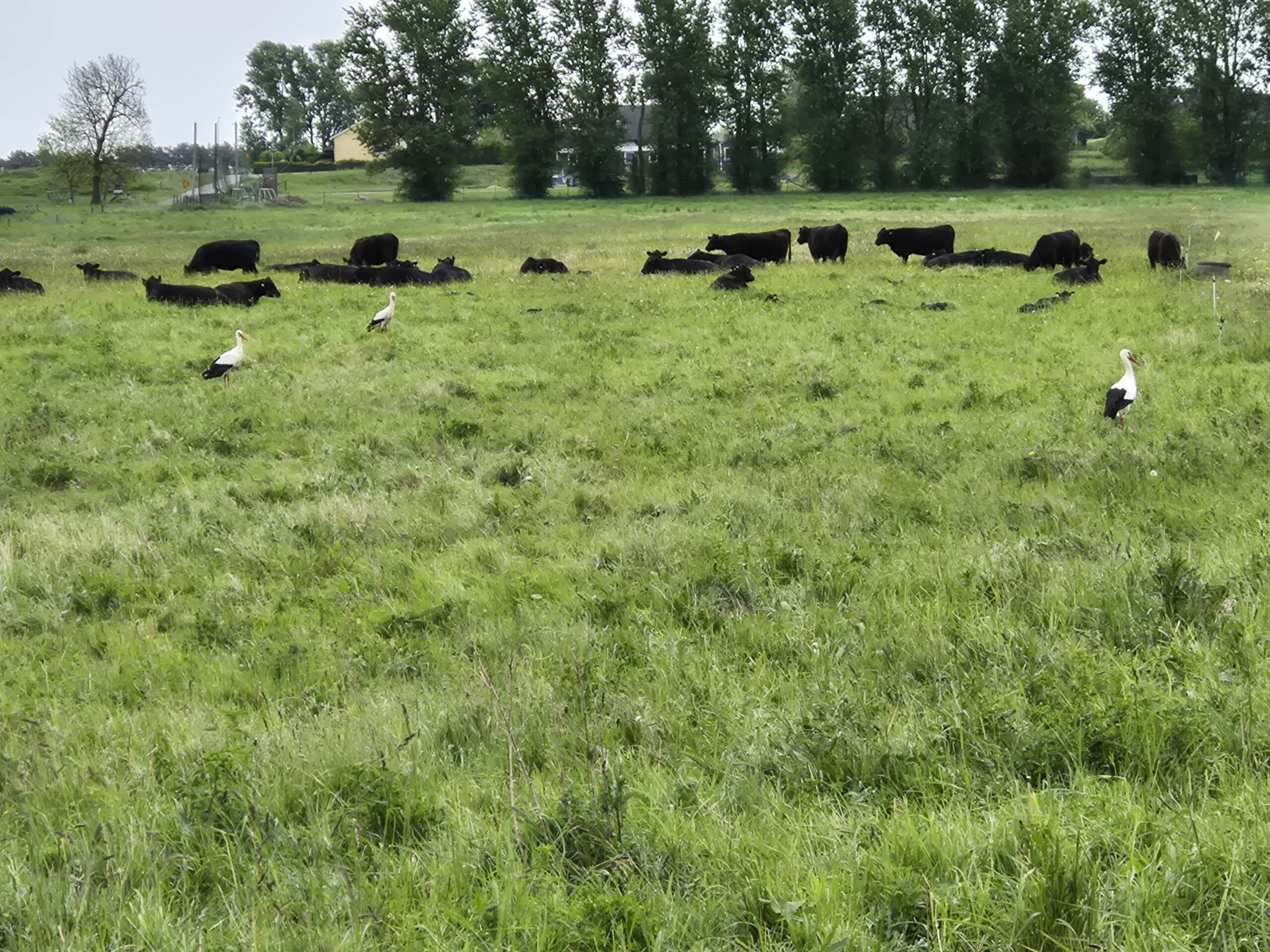
The Göta region in southern Sweden features mostly flat or gently rolling landscapes, with a mosaic of farmland and forests. Its fertile plain, Skåne, Västergötland, and Östergötland, have historically been the heart of Sweden’s crop production. However, decades of intensive agriculture, including heavy fertiliser use, short crop rotations, and mechanisation, have degraded the land. Soil health has declined, organic carbon has been lost, and the land is now more susceptible to erosion, flooding, and drought. At the same time, many traditional grazing areas have been abandoned or converted to monocultures, resulting in a significant drop in biodiversity.
Challenge
Many farms in the Göta plains have shifted away from livestock, focusing primarily on crops. Animals are now mostly confined to marginal lands, and reintegrating livestock into crop systems presents several hurdles. Farmers face gaps in knowledge, insufficient infrastructure, and limited economic incentives to adopt mixed systems. Despite these barriers, reintroducing livestock is seen as crucial for restoring soil fertility, increasing resilience, and enhancing overall ecosystem health.
Challenge
Many farms in the Göta plains have shifted away from livestock, focusing primarily on crops. Animals are now mostly confined to marginal lands, and reintegrating livestock into crop systems presents several hurdles. Farmers face gaps in knowledge, insufficient infrastructure, and limited economic incentives to adopt mixed systems. Despite these barriers, reintroducing livestock is seen as crucial for restoring soil fertility, increasing resilience, and enhancing overall ecosystem health.
Focus
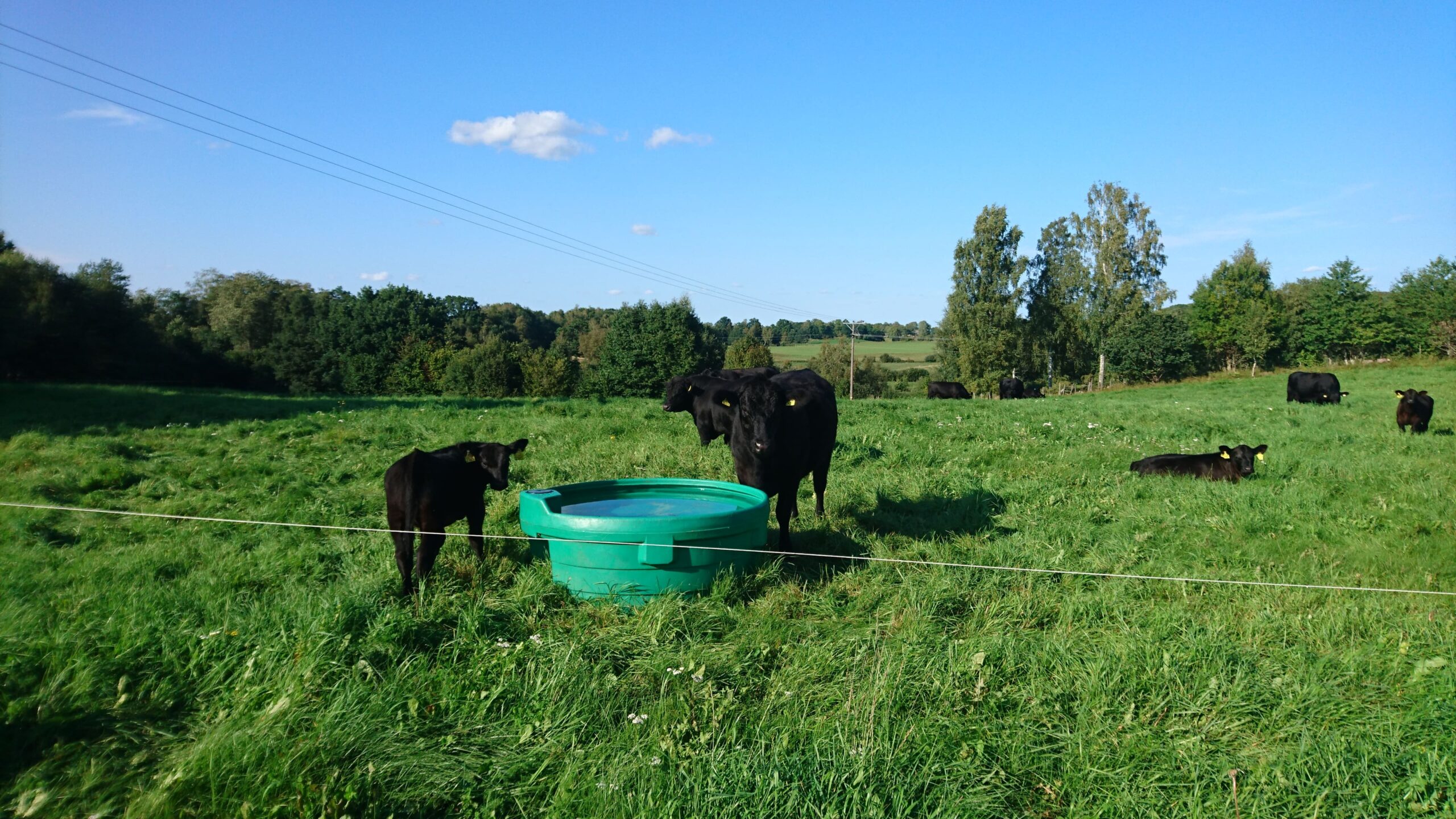
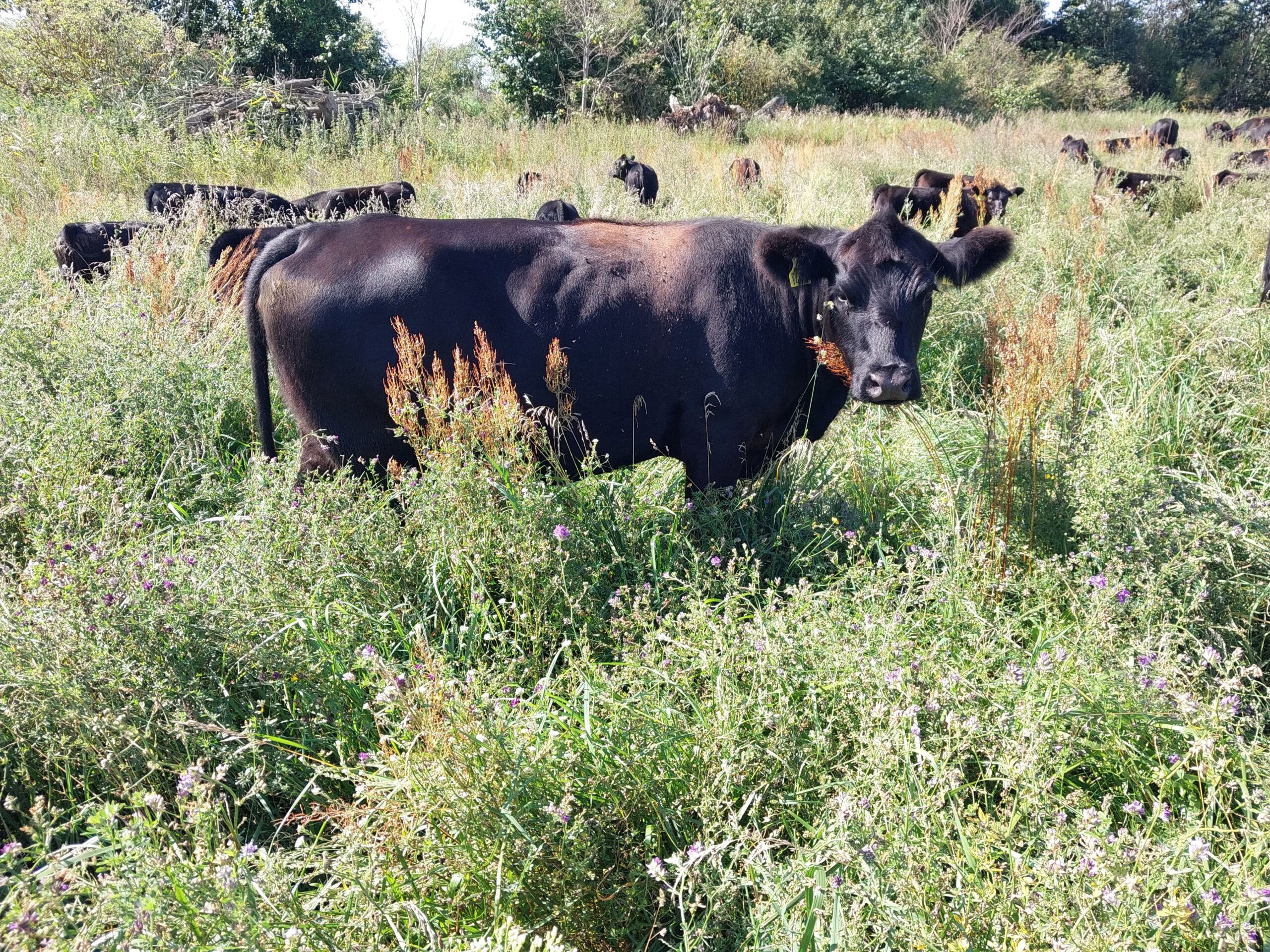
GroundWork’s Swedish Living Lab provides support to farmers reintroducing animals into their farmland using holistic management and regenerative grazing practices. The initiative aims to restore soil fertility, boost biodiversity, and strengthen the resilience of local farming systems. By connecting farms at various stages of the transition, the network fosters peer learning, co-design, and knowledge exchange, creating a collaborative environment for sustainable agricultural transformation.
Actors
Svensk Kolinlagring as coordinator
Swedish Agricultural University serving as the scientific partner.
Regenerativt Sverige, the national association for regenerative farmers, participates as a third party, alongside Jordbruksverket (Swedish Board of Agriculture) and Länsstyrelsen i Skåne län, the local authority, also acting as third parties.