GroundWork’s five Living Labs turn the project’s vision into action. They are collaborative hubs where regenerative livestock practices move from concept to implementation, allowing innovation to be tested, monitored, and scaled in real farming landscapes.
In Wallonia, decades of intensive tillage and simplified crop rotations have degraded soil structure and health, leading to erosion, flooding, and poor water retention. Increasingly frequent and extreme weather events driven by climate change are expected to worsen these issues.
Challenge
Farmers face the challenge of reintegrating livestock into arable rotations to restore soil structure and fertility while remaining economically viable and compliant with EU regulations. They must also navigate social and political concerns, including animal welfare, alongside ecological pressures such as soil erosion and climate impacts.
Challenge
Farmers face the challenge of reintegrating livestock into arable rotations to restore soil structure and fertility while remaining economically viable and compliant with EU regulations. They must also navigate social and political concerns, including animal welfare, alongside ecological pressures such as soil erosion and climate impacts.
Focus
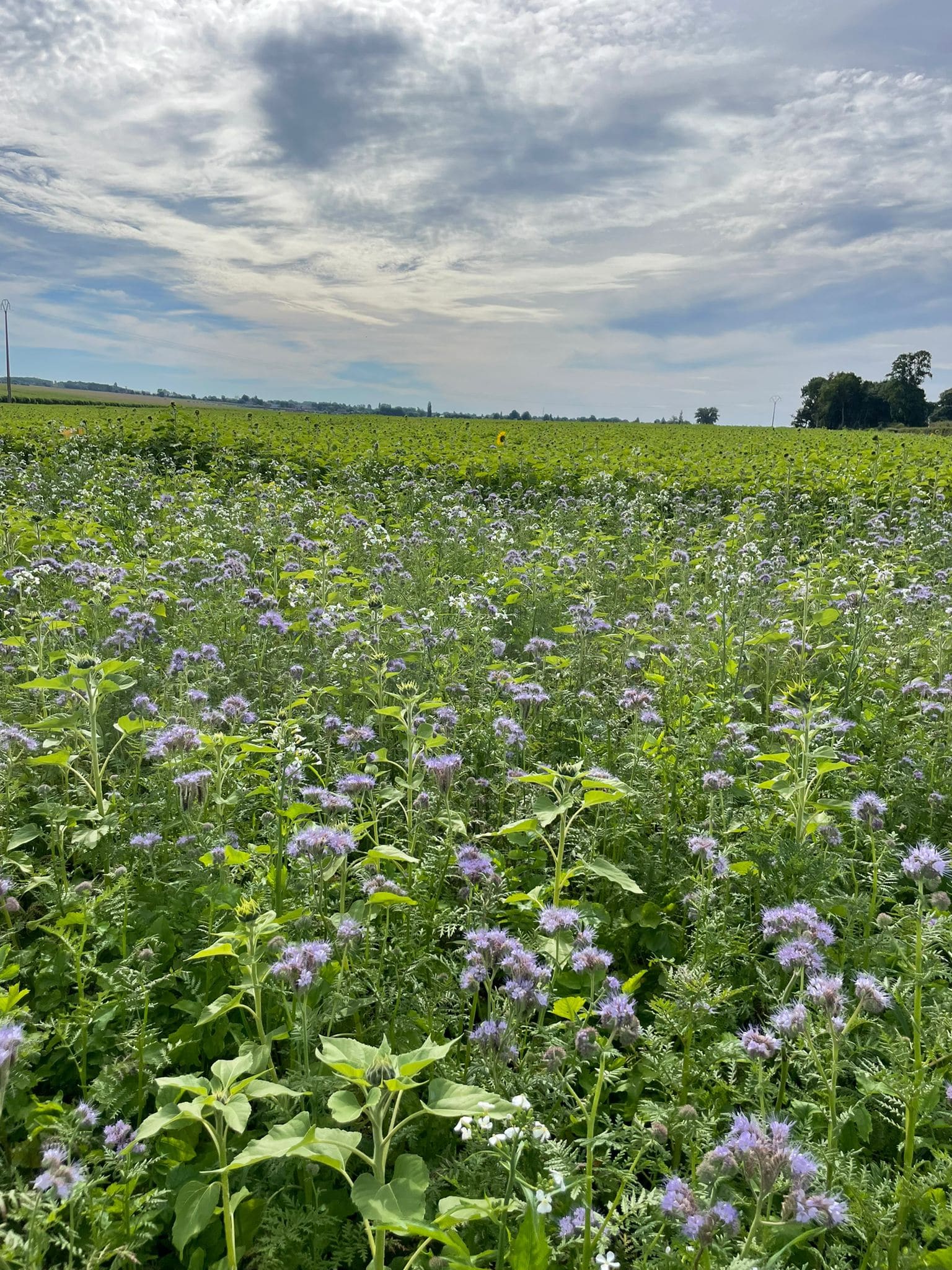
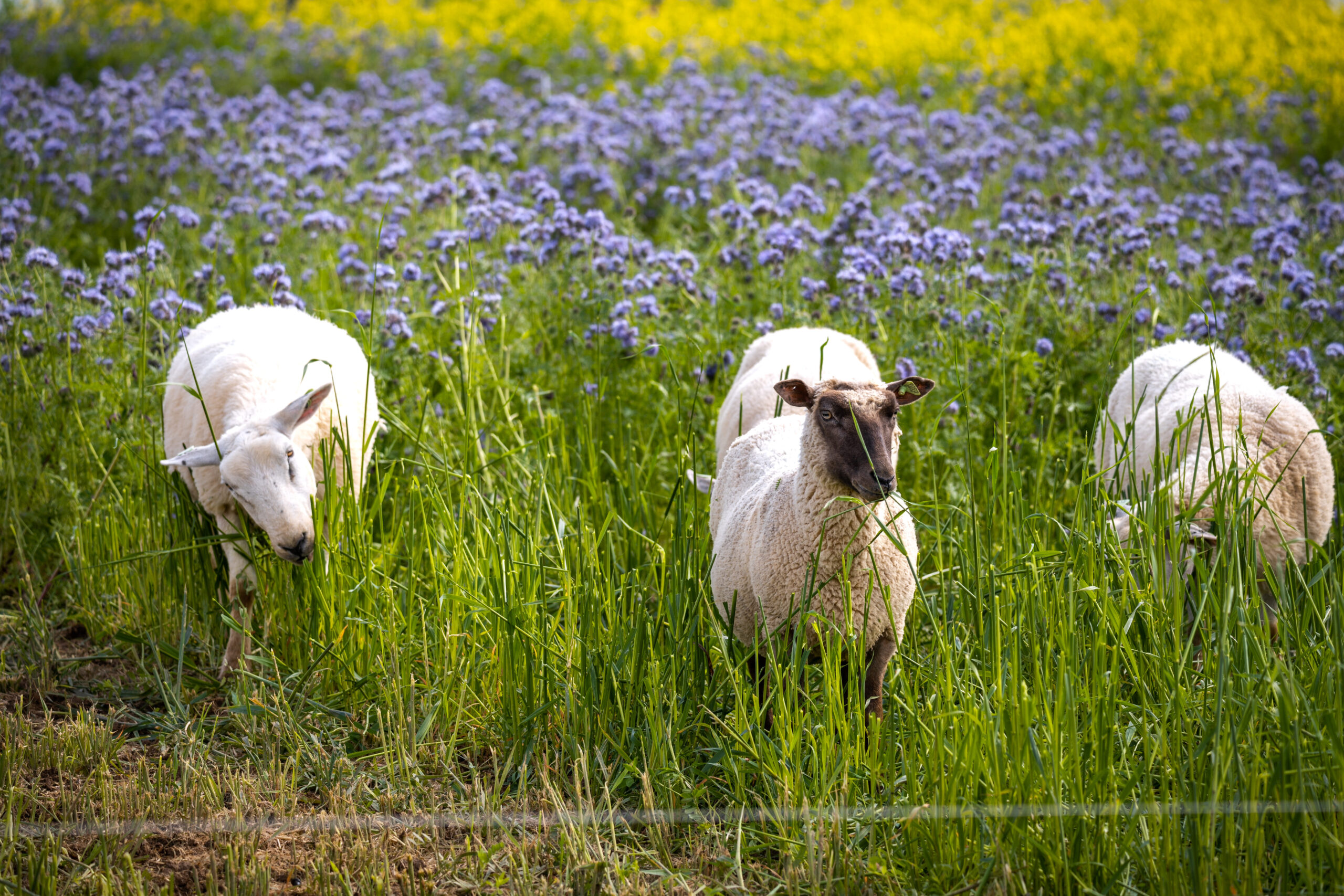
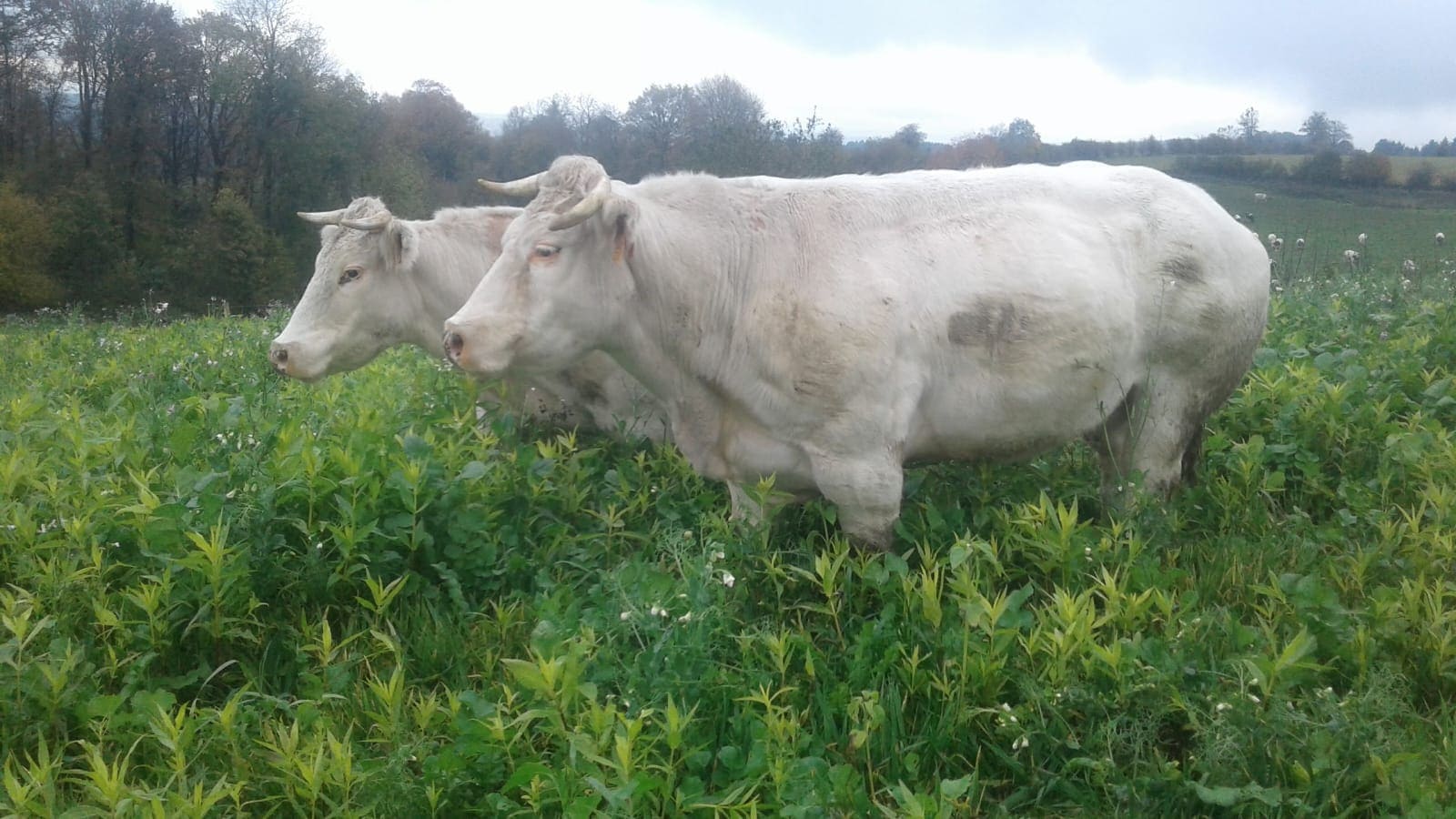
The Belgium Living Lab explores cover-crop grazing with sheep and cattle as a strategy to improve soil fertility, enhance nutrient cycling, and diversify farm income. The initiative evaluates technical, economic, and environmental outcomes and disseminates findings to farmers and other stakeholders across the region.
Actors
GREENOTEC, a farmers’ association, as coordinator.
Terres Vivantes, an NGO focused on farrmer’s coaching and training, and University of Ghent, representing academia
Collège des producteurs, a farmers’ association, and SPW Agriculture, Ressources naturelles et Environnement, an authority, are involved as third parties.