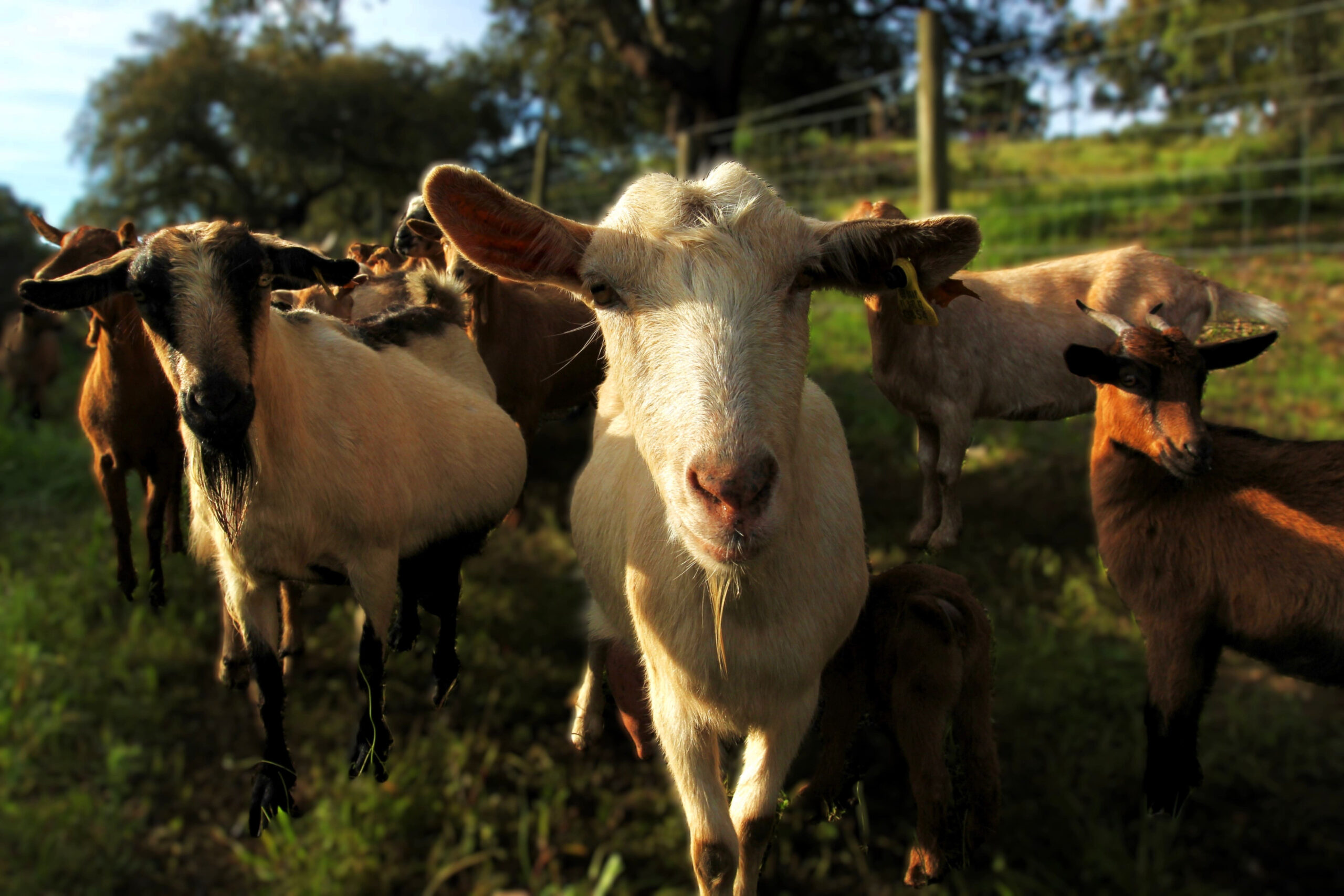
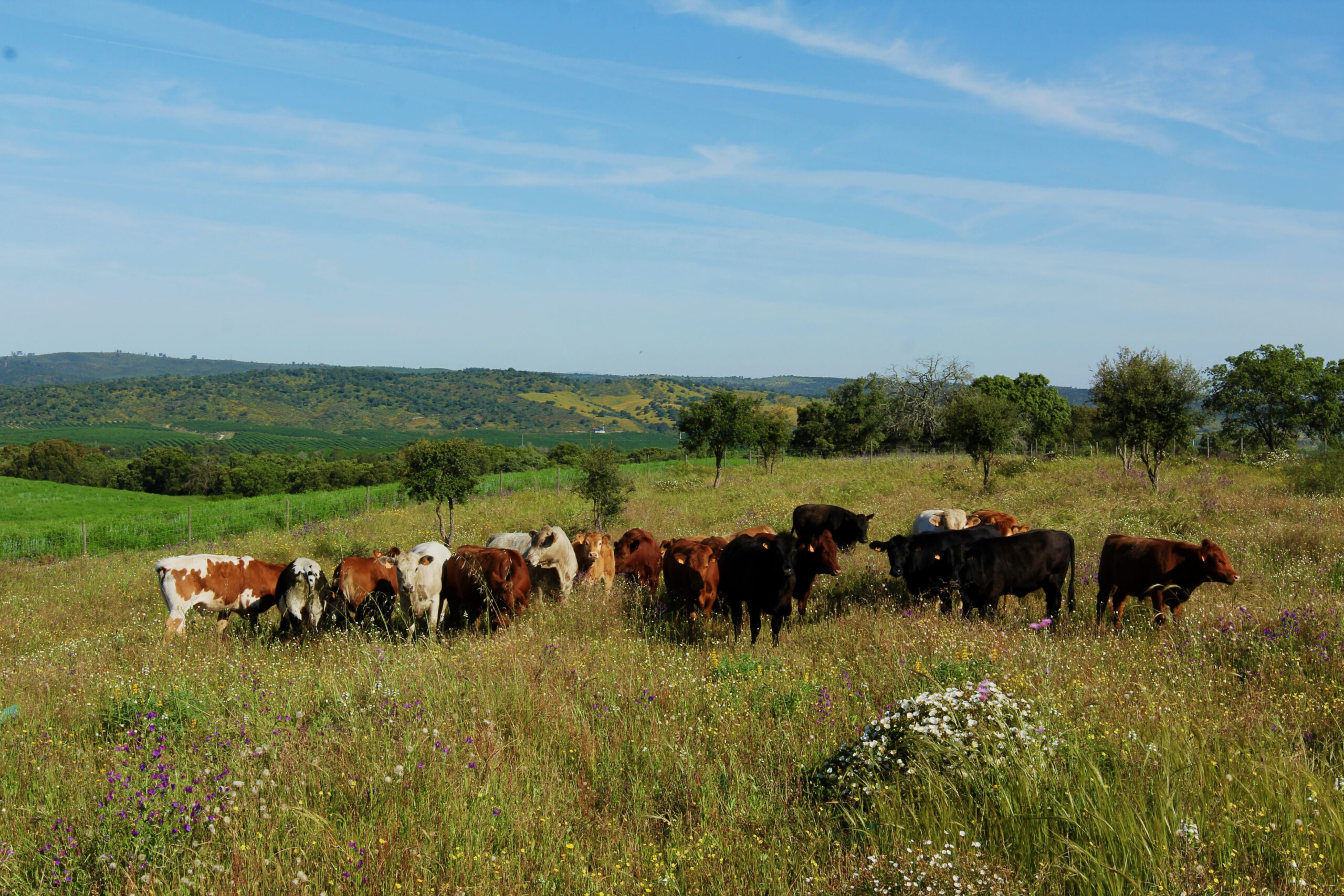
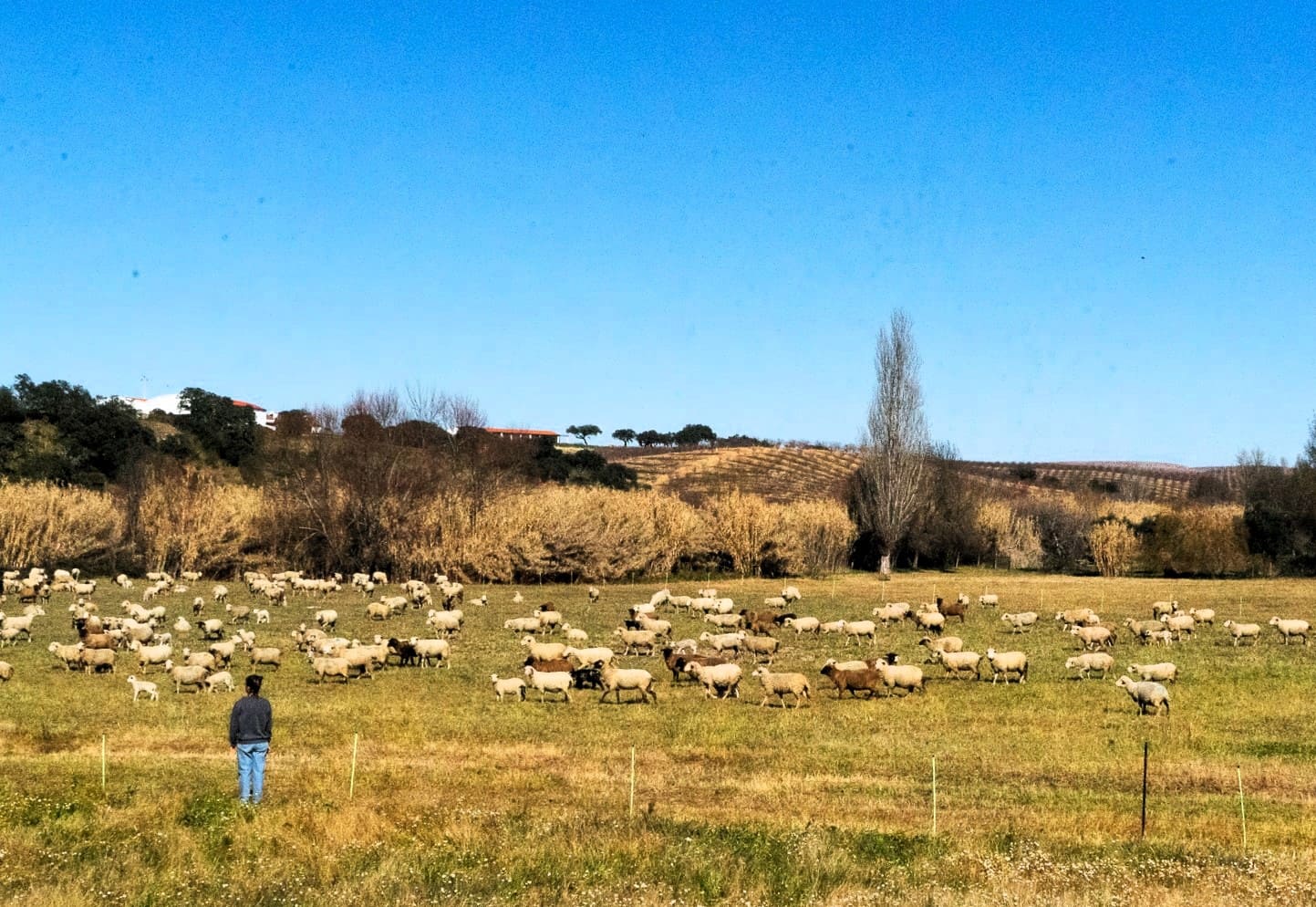
GroundWork’s five Living Labs turn the project’s vision into action. They are collaborative hubs where regenerative livestock practices move from concept to implementation, allowing innovation to be tested, monitored, and scaled in real farming landscapes.
The Beira Interior region in Portugal is a challenging environment for grazing, characterised by shallow, rocky soils, limited rainfall, and declining soil fertility. Overgrazing and water shortages have accelerated erosion and land degradation, while rural depopulation and low visibility for local animal products have put additional pressure on local economies. These conditions make it essential to develop livestock systems that are both environmentally sustainable and economically resilient.
Challenge
Pasture systems in Beira Interior are under pressure from soil loss, low productivity, and overgrazing, while water scarcity further limits pasture growth. Farmers face the dual challenge of maintaining productive grazing systems while restoring degraded soils. At the same time, rural economies are weakened by depopulation and limited promotion of local animal products, making it challenging to build regenerative livestock systems economically viable. Social and policy support for sustainable transitions is also limited, adding another layer of complexity for those aiming to implement long-term, nature-positive farming practices.
Challenge
Pasture systems in Beira Interior are under pressure from soil loss, low productivity, and overgrazing, while water scarcity further limits pasture growth. Farmers face the dual challenge of maintaining productive grazing systems while restoring degraded soils. At the same time, rural economies are weakened by depopulation and limited promotion of local animal products, making it challenging to build regenerative livestock systems economically viable. Social and policy support for sustainable transitions is also limited, adding another layer of complexity for those aiming to implement long-term, nature-positive farming practices.
Focus
The Portugal Living Lab will integrate regenerative grazing with traditional land uses to revitalise both soils and communities. It will showcase the Montado alongside rotationally managed grasslands and croplands, testing practices that improve soil structure and fertility, boost biodiversity and enhance carbon sequestration while adapting to water constraints and regional realities. The Lab will co-design solutions with local farmers and stakeholders, demonstrate practical grazing strategies adapted to regional realities, and help build the market and policy support needed for a wider transition.
Actors
Monte Silveira Farm coordinates the Lab as a farmers’ group. Scientific guidance is provided by
University Coimbra and FACULDADE DE CIENCIAS DA UNIVERSIDADE DE LISBOA, provide scientific guidance
ORGO (farmers’ coaching company), Center Regional Coordination and Development Commission (regional authority), and World Wild Fund Portugal (environmental NGO), are third-party